
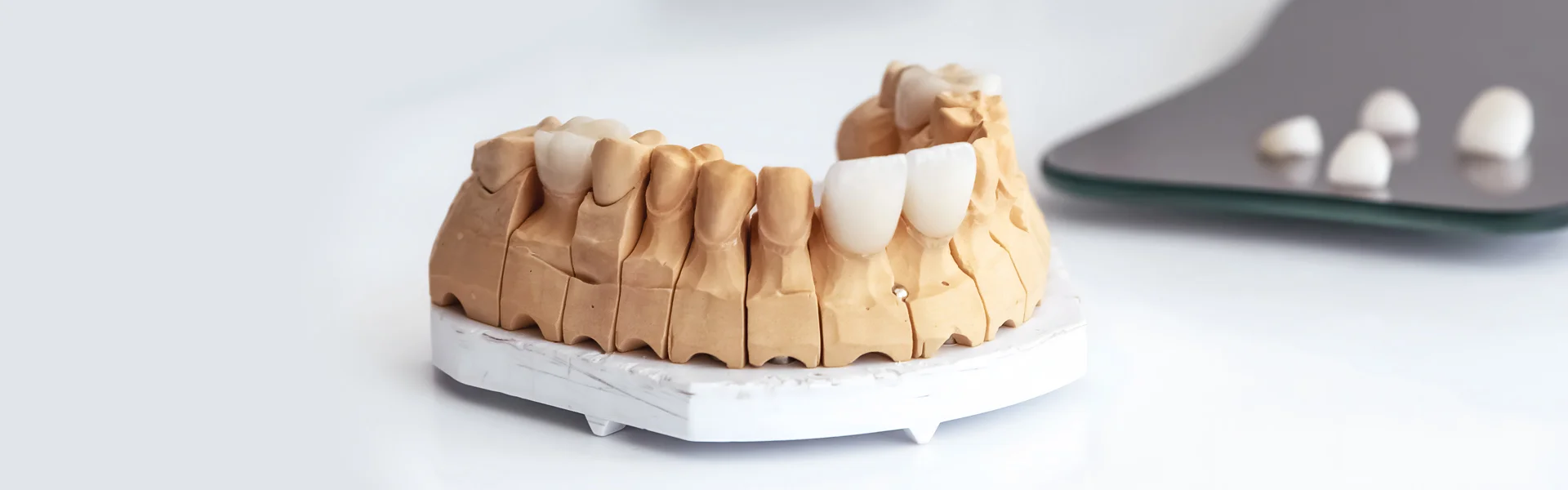
How Proper Care Impacts the Lifespan of Dental Veneers
Patients exploring dental veneers in Manalapan Township often want to know how long their results will last. Veneers are slim restorations bonded to the front of teeth to refine their color, proportions, and visible alignment.
When placed with precision and consistently cared for, they can remain structurally stable and visually natural for many years.
That said, veneers are not permanent. Their lifespan varies based on the material selected, bite forces, daily hygiene, and ongoing professional care. Understanding these variables helps patients set realistic expectations and plan for long-term maintenance.
What Veneers Are and Why People Choose Them
Veneers are designed to cover the visible surface of teeth. They are commonly used to address discoloration, chipped edges, worn enamel, small gaps, and minor alignment concerns.
Many individuals choose veneers when they want noticeable cosmetic improvement without orthodontics or more extensive restorative treatment. As part of a personalized cosmetic plan, veneers can enhance the smile while preserving much of the natural tooth structure.
Before recommending veneers, a dentist evaluates enamel thickness, gum health, and bite alignment to determine whether the treatment is appropriate.
How Long Porcelain and Composite Veneers Typically Last
Material choice plays a major role in durability.
Most porcelain veneers last about 10 to 15 years, though their longevity can be extended with consistent maintenance and regular dental visits. Porcelain offers strong durability and is less prone to staining compared to other materials.
Composite veneers generally last about 5 to 7 years. While they can produce attractive results, they are more likely to wear down or discolor over time than porcelain.
What Influences Veneer Durability?
Several factors affect how long veneers remain intact:
- Precision of placement
- Bite alignment and grinding habits
- Oral hygiene practices
- Dietary choices
- Regular dental evaluations
Teeth grinding places significant pressure on veneers. If teeth grinding occurs during sleep, a professionally made nightguard may reduce the force placed on veneers and surrounding teeth.
Working with an experienced Dentist in Manalapan Township increases the likelihood that veneers are carefully bonded and adjusted to distribute bite forces evenly.
Daily Habits That Protect Veneers
Although veneers themselves do not decay, the underlying teeth and surrounding gums still require proper care.
Effective veneer maintenance includes:
- Brushing twice daily with non-abrasive toothpaste
- Flossing gently every day
- Attending routine professional cleanings
- Following personalized instructions from your dental provider
If you have questions about cleaning techniques, consulting a Dentist near me can help ensure your routine supports long-term oral health.
Consistent hygiene helps limit gum recession, decay near veneer margins, and premature wear.
Habits That May Shorten Veneer Life
Veneers are strong but not indestructible. Biting ice, chewing hard candy, or using teeth to open packages increases the risk of chipping.
Compared to porcelain, composite veneers tend to discolor more easily when exposed to coffee, tea, or smoking. Smoking can also affect gum health, potentially affecting the appearance of veneers.
Reducing these habits lowers the likelihood of damage and early replacement.
Signs Veneers May Need Repair or Replacement
Over time, veneers may show visible changes. Common signs include:
- Cracks or chips
- Rough or lifted edges
- Gum recession near the veneer
- Noticeable discoloration
- Discomfort when biting
If you observe any of these issues, schedule an evaluation promptly. Early assessment reduces the chance of further damage to the tooth structure beneath the veneer.
The Importance of Ongoing Dental Visits
Routine examinations allow dentists to check the bonding, fit, and gum health around veneers. If uneven bite pressure is detected, small adjustments may be recommended.
Ongoing professional oversight supports long-term function and appearance. At Union Hill Dental, treatment decisions are guided by clinical findings, patient goals, and overall oral health.
Consulting a Cosmetic Dentist About Veneers
If you are considering veneers or evaluating existing restorations, consultation is the first step. A comprehensive examination helps determine whether veneers are appropriate based on enamel condition, gum stability, and bite function.
Patients seeking a smile makeover often include veneers as part of a broader cosmetic plan. Discussing expected lifespan, care requirements, and replacement timelines ensures informed decision-making.
With consistent maintenance and periodic professional review, veneers can preserve aesthetics while maintaining the integrity of the underlying teeth.